• Skip to main content
  • Skip to footer

Very Healthy Life

  • Symptoms
  • Natural Remedies
  • Nutrition / Life

February 10, 2020 | Click to Search Articles

14 Natural Cures for Bacterial Vaginosis

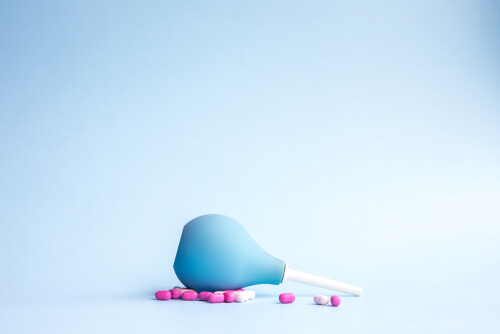
2. Stop douching for the period of the infection

Douching is often recommended to people as part of a healthy routine and a lot of people imagine that they should douche on a regular basis, particularly after sexual activity: But the truth about this is that douching (especially douching too much) can do more harm to your vaginal health than good – and you might actually end up erasing the natural healthy bacteria of your vagina on a regular basis by doing it. 

This can lead to an increased rate of yeast infections, urinary tract infections, and bacterial vaginosis: None of these are good for the body – and you might be causing the cycle without realizing it by douching.

Stop douching for the duration period of your symptoms if you suspect that you have bacterial vaginosis: This can already do a lot for helping your body to recover. At the same time, you want to make sure that you don’t “over-clean” your vagina, either: It has the same effect as douching too frequently.

«
Next »

Popular Articles

11 Foods High in Calcium

Your body needs calcium for a number of things, and one of the easiest ways to get calcium is …

[Read More...] about 11 Foods High in Calcium

11 Prostatitis Symptoms in Men

Prostatitis is a health condition that’s estimated to affect as much as 25% of men who visit their …

[Read More...] about 11 Prostatitis Symptoms in Men

14 Benefits of Chamomile Tea To Your Health

Tea has always been one of the top all-time favorites in terms of beverage next to the water. It's …

[Read More...] about 14 Benefits of Chamomile Tea To Your Health

Footer

Disclaimer

This site offers information designed for educational purposes only. You should not rely on any information on this site as a substitute for professional medical advice, diagnosis, treatment, or as a substitute for, professional counseling care, advice, diagnosis, or treatment. If you have any concerns or questions about your health, you should always consult with a physician or other health-care professional.

  • Search Articles
  • Latest Articles
  • About VHL
  • Advertise with Us
  • Contact
  • Disclaimer
  • Terms of Use
  • Privacy
  • Do Not Sell My Personal Information
  • Cookie Declaration
  • Push Notifications

Copyright © 2026 · All Rights Reserved