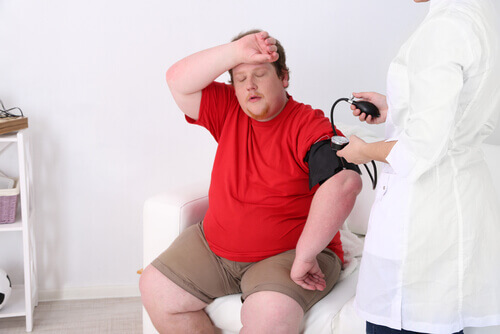
Clogged arteries are a common medical condition that can accompany a severely fatty diet or chronic health conditions such as cholesterol. When arteries are clogged up, this means that mineral or fatty deposits have collected in the arteries and attached to the artery walls in much the same way as you would see deposits clog up the sides of an old pipe that haven’t been cleaned up in a while.
It’s a potentially dangerous medical condition that can lead to an increased risk of heart attacks or strokes during your lifetime, and untreated blocked arteries can considerably shorten your natural lifespan by several decades – and the problem can be a genetic one in many cases that requires lifelong medical treatment to stay as close to healthy as possible.
Most of the conditions causing clogged arteries are easy to treat with a combination of the right medication and diet changes.
Here are 14 symptoms of clogged arteries that you should look out for.
1. High Blood Pressure
High blood pressure is a common health condition diagnosed in many men and women of all ages every year. People might associate high blood pressure with older people, but with the advent of diseases like cholesterol and heart disease, many people are developing high blood pressure earlier on in their lives.
High blood pressure is a serious medical condition that requires lifelong treatment and a few serious diet and lifestyle changes for better health.
It can very commonly accompany conditions such as blocked arteries, and in some cases, the two conditions go hand-in-hand. Have your blood pressure checked at your next doctor’s appointment and do so at least a few times per year to check that yours is still in the state that it’s supposed to be for optimal health.
Standard blood pressure usually measures at 120 over 80 and while small derivations in the amount are normal, large jumps in either the systolic or diastolic number are not a great sign and it means you should see your doctor.