• Skip to main content
  • Skip to footer

Very Healthy Life

  • Symptoms
  • Natural Remedies
  • Nutrition / Life

December 4, 2019 | Click to Search Articles

14 Signs That You Have Pinworms

3. An Increase in Symptoms at Night

A lot of parasitic infections tend to become more active at night during the day. Nighttime is when parasites prefer to reproduce and move around, and for the person, their part of this can lead to a very uncomfortable series of nights and a clear increase in their symptoms during these times. 

The same is true for many household parasitic infections, but it’s also true for most parasites that can be found intruding in the body. 

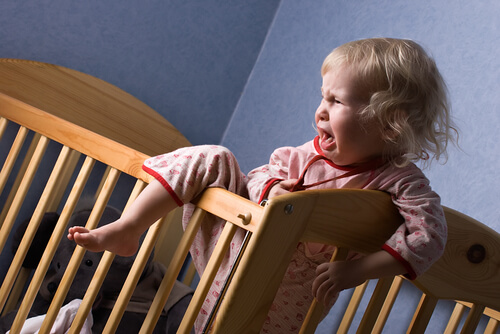
If you have pinworms, the discomfort and itching almost always get worse at night. Additional symptoms that aren’t there during daylight hours might also become more prevalent during these times. 

Again, keep a close eye on children or the elderly if you suspect that they might have a parasitic infection, especially because most of them are unable to voice their symptoms in the same ways as everyone around them. General discomfort increasing at night may be the only symptom a carer has to go by.


«
Next »

Popular Articles

7 Most Common Norovirus Symptoms

Norovirus is extremely contagious and anyone can be infected by it. You may get it from water or …

[Read More...] about 7 Most Common Norovirus Symptoms

16 Most Common Low Estrogen Symptoms

There are many reasons that a person may suffer from low estrogen. For some people, it is simply a …

[Read More...] about 16 Most Common Low Estrogen Symptoms

12 Critical Pancreatitis Symptoms

Pancreatitis is a health condition known as an inflammation or infection of the pancreas; the organ …

[Read More...] about 12 Critical Pancreatitis Symptoms

Footer

Disclaimer

This site offers information designed for educational purposes only. You should not rely on any information on this site as a substitute for professional medical advice, diagnosis, treatment, or as a substitute for, professional counseling care, advice, diagnosis, or treatment. If you have any concerns or questions about your health, you should always consult with a physician or other health-care professional.

  • Search Articles
  • Latest Articles
  • About VHL
  • Advertise with Us
  • Contact
  • Disclaimer
  • Terms of Use
  • Privacy
  • Do Not Sell My Personal Information
  • Cookie Declaration
  • Push Notifications

Copyright © 2026 · All Rights Reserved