• Skip to main content
  • Skip to footer

Very Healthy Life

  • Symptoms
  • Natural Remedies
  • Nutrition / Life

January 3, 2019 | Click to Search Articles

10 Tricks To Stop A Nosebleed The Right Way

2. Pinch The Nostrils

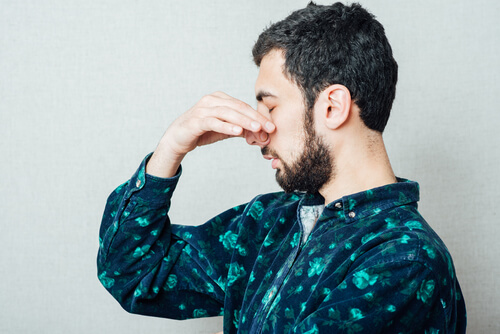
Once you have positioned yourself in a situation that is relaxing, another way to stop the nosebleed is by gently pinching the nostrils. Use your thumb and place it on the side of your nose and place the index finger on the other side of the nose. Then slowly and gently move the fingers to the nasal cartilage. Still with your thumb and index fingers on your nose and with the head tilted forward begin to pinch the nose.

Make sure that you are pinching far back on your nose, so much so that your actual nose has enough space to twitch or it won’t be as effective. Pinch your nose for around five minutes without releasing your thumb and index fingers.

Also, breathe through the mouth. If the nosebleed has not stopped then you are probably doing something wrong and it is better to try again by pinching slightly lower to the nose or maybe higher.


«
Next »

Popular Articles

14 Symptoms Why You May be Always Tired

If you are feeling tired all of the time, there could be an underlying health issue that is the …

[Read More...] about 14 Symptoms Why You May be Always Tired

10 Sleep Paralysis Causes and Signs

Have you ever experienced sleep paralysis? It can be a terrifically frightening experience that you …

[Read More...] about 10 Sleep Paralysis Causes and Signs

15 Silent PCOS Symptoms Women Usually Ignore

PCOS is short for Polycystic Ovary Syndrome, and it mostly affects women that are still fertile – …

[Read More...] about 15 Silent PCOS Symptoms Women Usually Ignore

Footer

Disclaimer

This site offers information designed for educational purposes only. You should not rely on any information on this site as a substitute for professional medical advice, diagnosis, treatment, or as a substitute for, professional counseling care, advice, diagnosis, or treatment. If you have any concerns or questions about your health, you should always consult with a physician or other health-care professional.

  • Search Articles
  • Latest Articles
  • About VHL
  • Advertise with Us
  • Contact
  • Disclaimer
  • Terms of Use
  • Privacy
  • Do Not Sell My Personal Information
  • Cookie Declaration
  • Push Notifications

Copyright © 2026 · All Rights Reserved